Lydiard Ridge LCA
Description
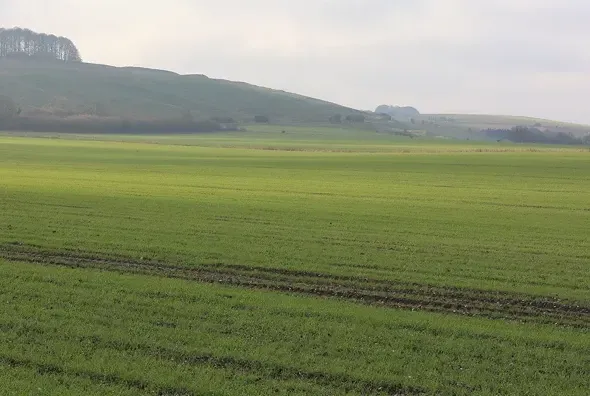
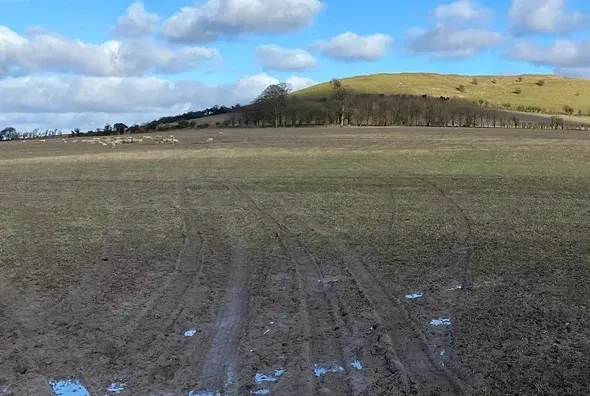
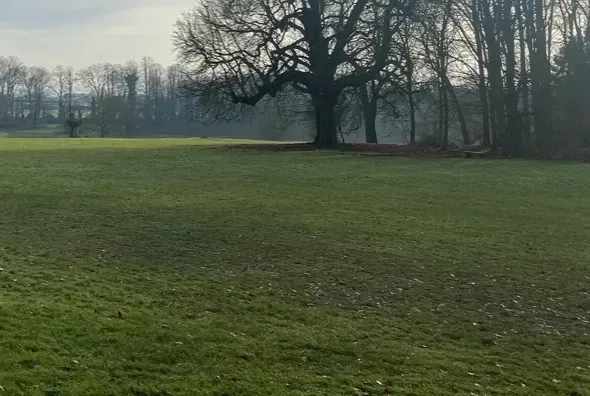
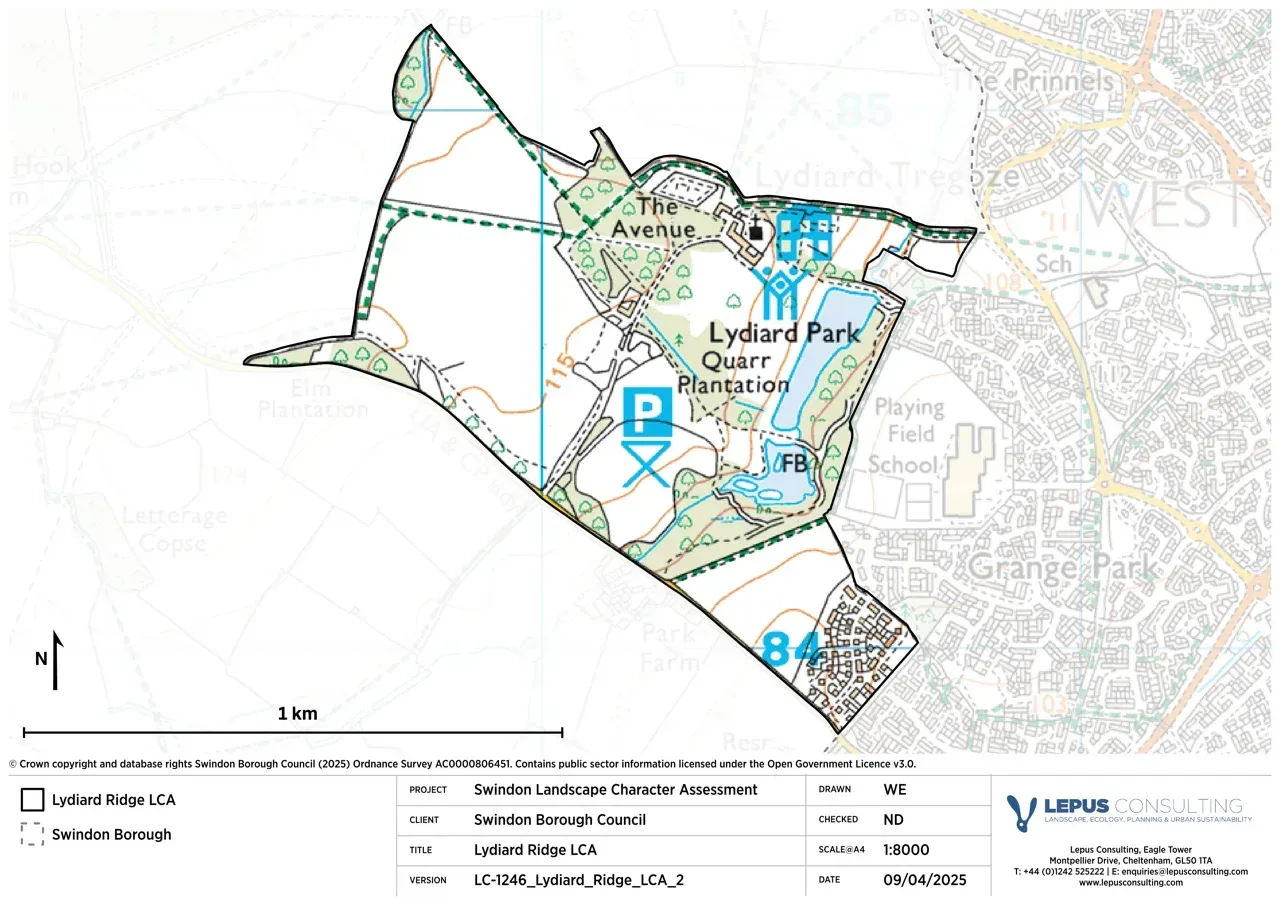
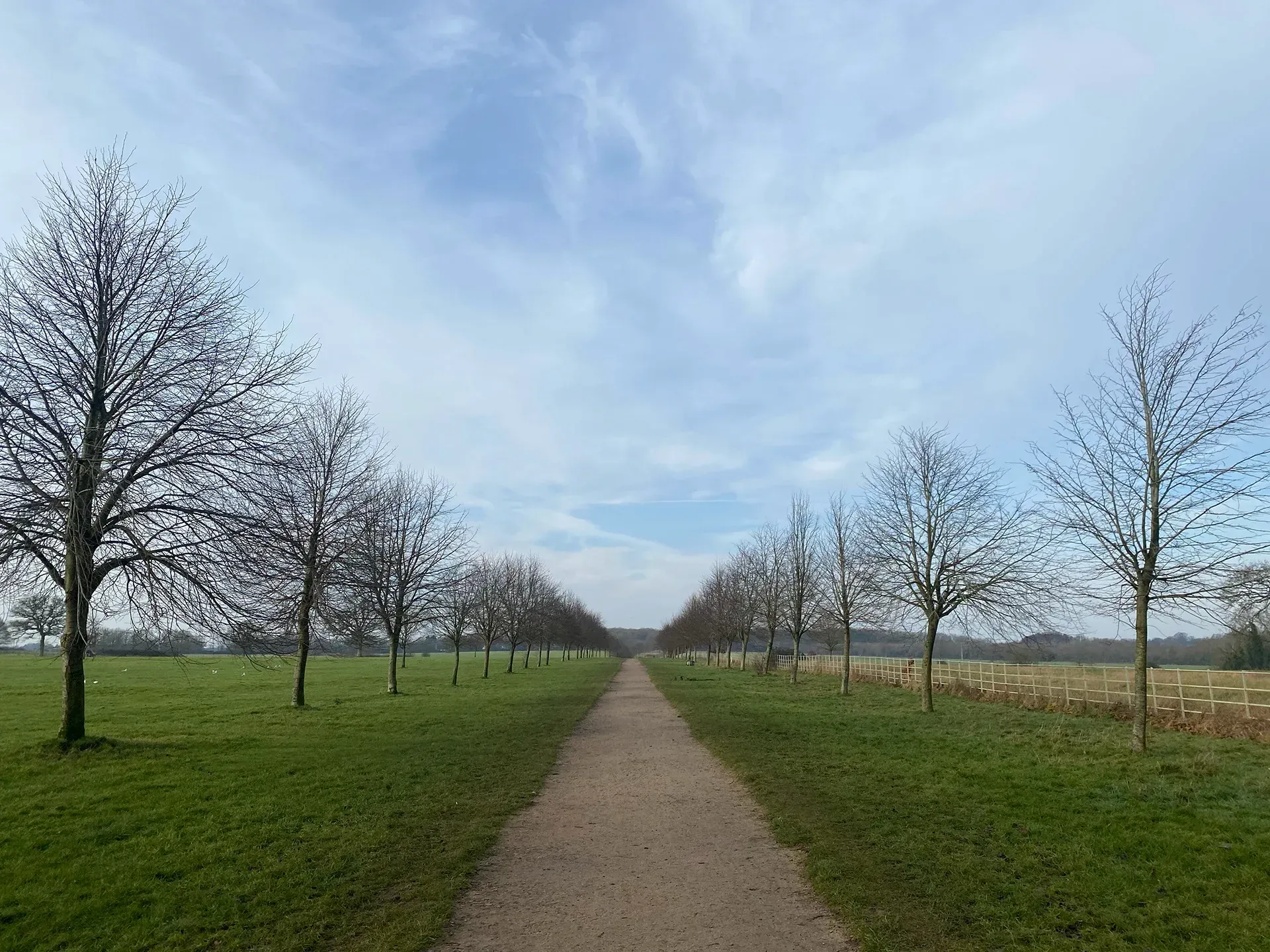
The Lydiard Ridge LCA lies on the western extremity of the Borough occupied by Lydiard House, a listed building and its surrounding grounds. Lydiard Ridge is identified as being of historic value. It is situated on land marginally higher than its surroundings in a mature parkland setting. The house and grounds were constructed to complement each other, forming a dominant influence on the landscape. The grounds are open to the public, as one of the borough’s country parks.
Gallery
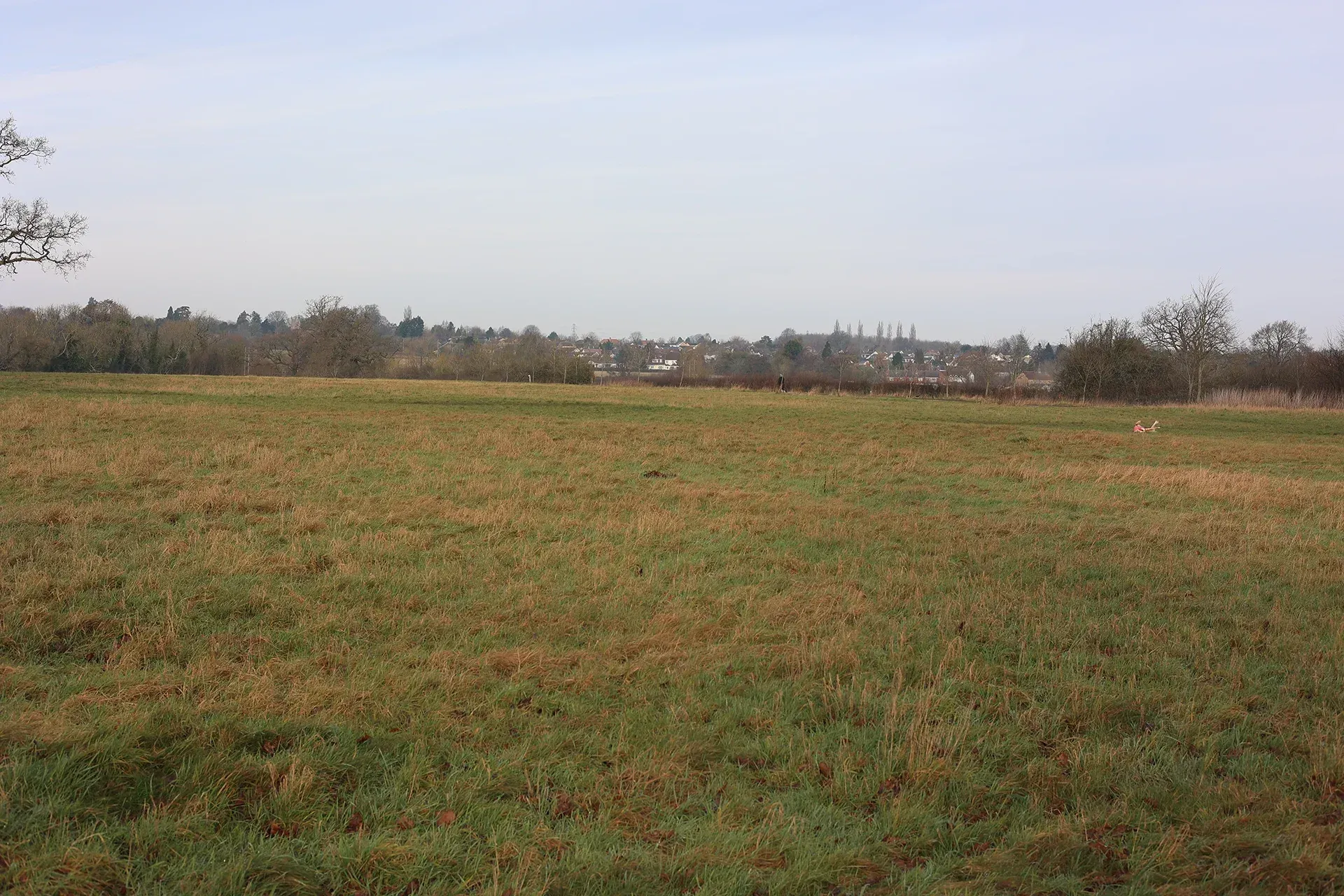
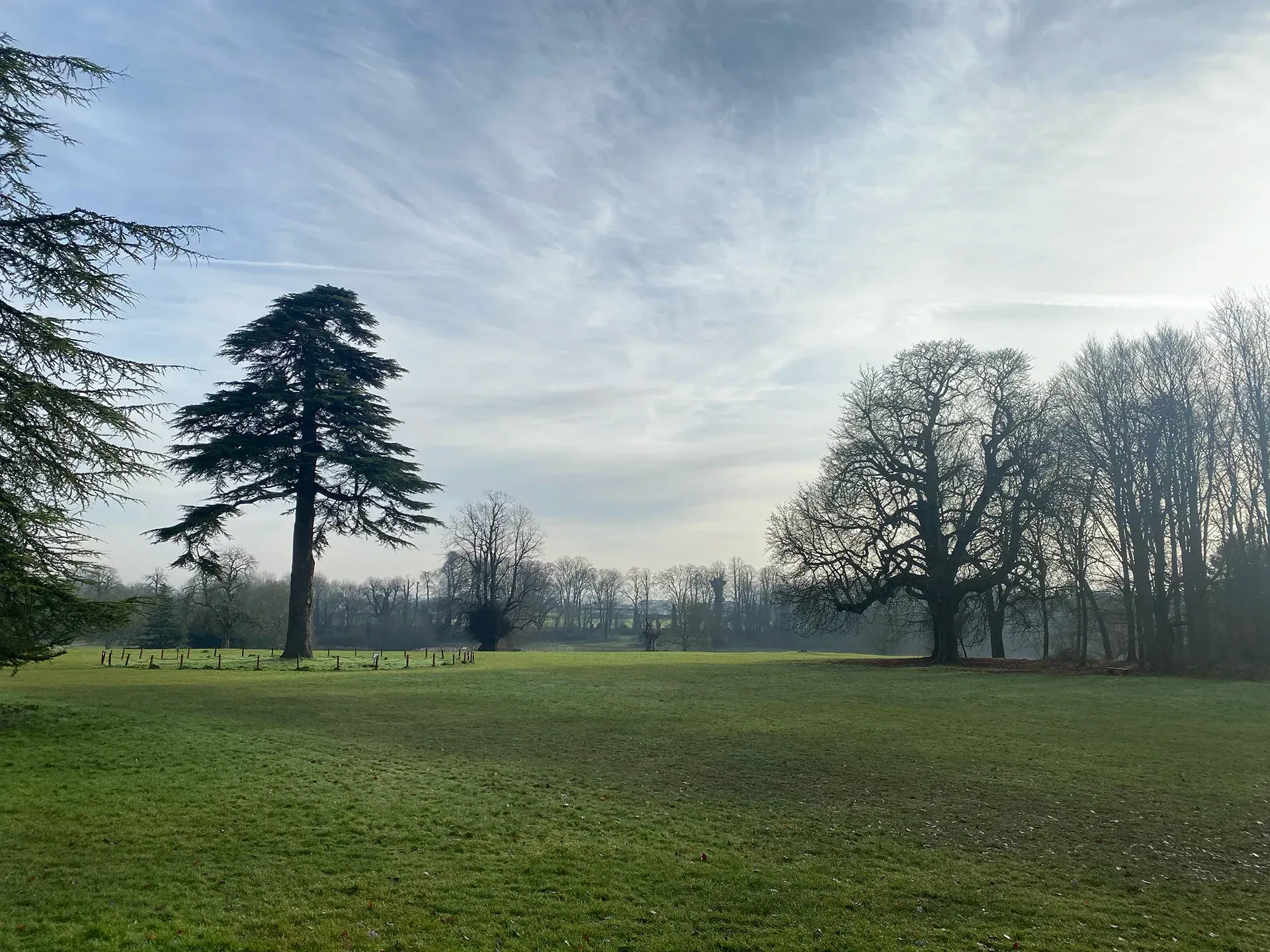
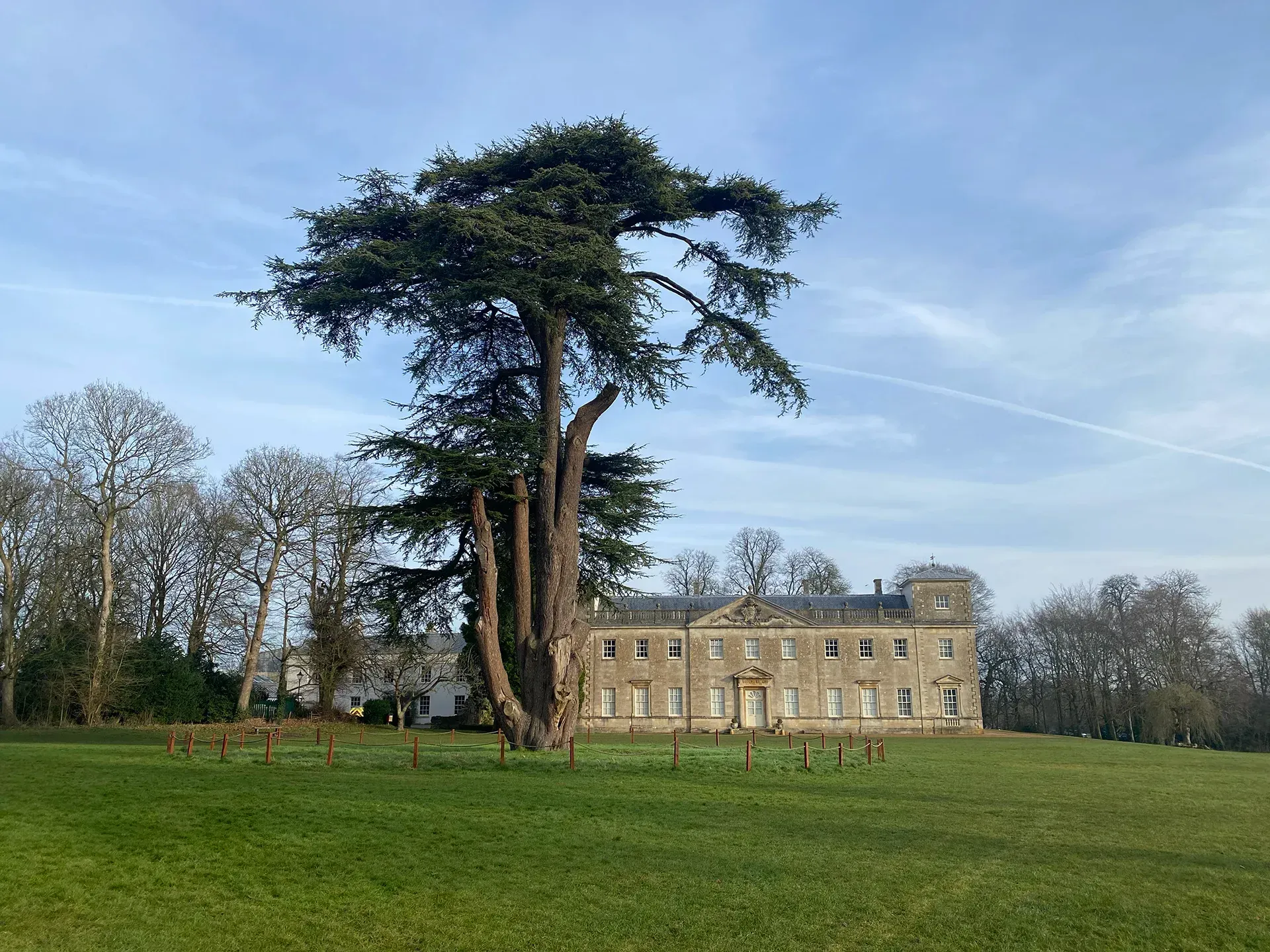

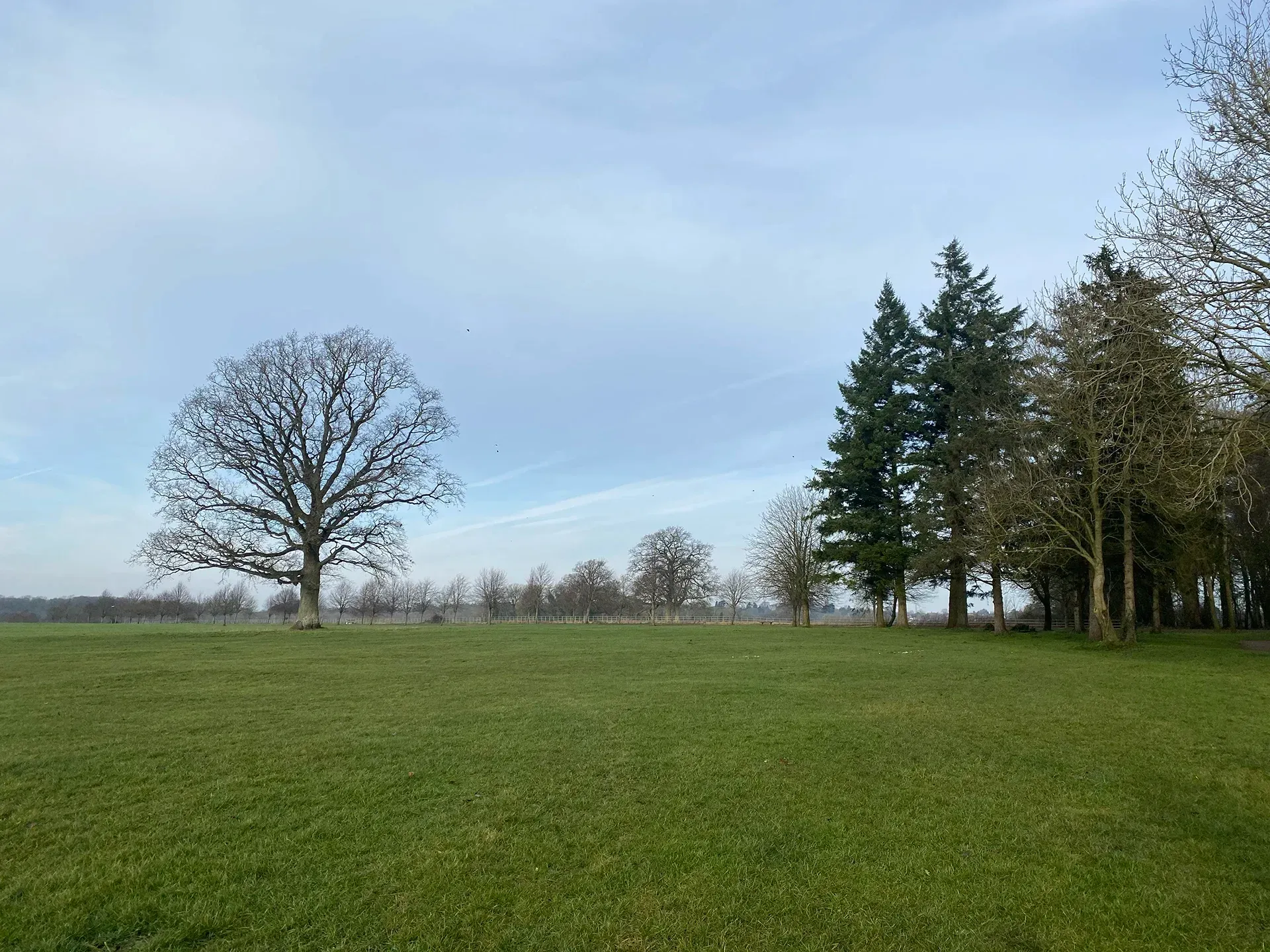
Key characteristics
Key characteristics of the Lydiard Ridge LCA are presented in below.
| Natural factors | |
|---|---|
| Geology | Corallian Limestone forms the ridge, with the northern boundary marked by a fault. |
| Landform | This small area forms a raised plateau above the clay vales. |
| Hydrology | Two small streams flow northwards through the area. The eastern stream flows through two large ponds and the dry bed of Lydiard Lake. An area of flood zone 3 is present and associated with the watercourse flowing through the ponds. |
| Soils | Soils are loamy and clayey. The area is entirely ALC grade 3. |
| Land cover, flora & fauna | Substantial areas of parkland, deciduous woodland, parkland trees and hedgerows. |
| Cultural & social factors | |
|---|---|
| Land use | Land use across the area is mostly parkland and woodland. Most of the area is within Lydiard Country Park. Lydiard House functions as a museum and management centre including a visitor centre and recreation facilities. Field boundaries are a mixture of hedgerow, woodland and post and wire fencing. |
| Settlement | The park is located on the western edge of the Swindon urban area. |
| Enclosure | Woodland encloses much of the area. |
| Time depth | There is a strong sense of time depth at Lydiard Park. The 18th century parkland estate was created from the Royal Braydon Forest. The Church of St Mary is located adjacent to Lydiard House. |
| Cultural associations | |
|---|---|
| Art, literature, descriptive writings, music, myth/legend/folklore, people, events and associations | Lydiard Park hosts festivals including BBC Radio 1s Big Weekend in 2009; Many ghost stories are noted within Lydiard Park, including that of previous resident Sir John St John rumoured to be roaming the grounds; and Hook Street, adjacent to Lydiard Park Country Park, has been depicted in the art of Nelson Woolford, 1968. The novel The Heir of Starvelings by Evelyn Berckman depicted the dereliction of Lydiard Park house and the decline of the owner’s fortunes. |
| Perceptual & aesthetic factors | |
|---|---|
| Memories and associations | Obtained via stakeholder engagement |
| Perceptions | There is a limited sense of remoteness due to the close proximity to the town of Swindon. The area offers wide open greenspaces and woodland areas for open-air recreation. |
| Sounds | Sound levels from vehicular traffic are generally low across the area. |
| Sight | Filtered views through trees of built form in western Swindon are possible from the grounds adjacent to Lydiard House. In the south, there are views towards the North Wessex Downs. |
Designations and policy
Key designations within the Lydiard Ridge LCA:


Forces for change
Threats, pressures and current changes to Lydiard Park LCA are outlined below.


Landscape guidelines
Landscape guidelines to plan, manage and protect distinctiveness of the Lydiard Ridge LCA include:


Landscape Character Areas (LCAs)
Eight Landscape Character Areas (LCAs) have been identified within the Swindon Borough. This website provides a detailed overview of each LCA including a description, key characteristics, designations and policy, forces for change and landscape guidelines to plan, manage and protect distinctiveness.