High Downs LCA
Description
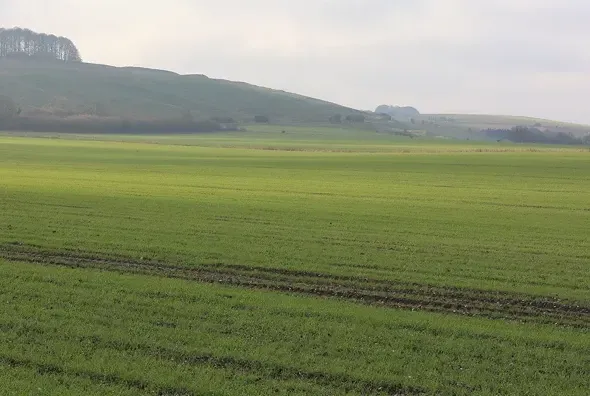
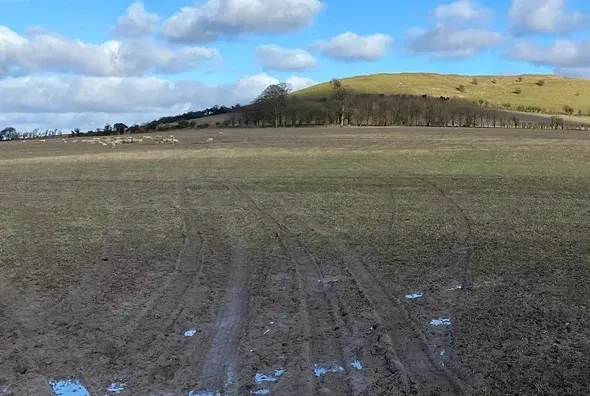
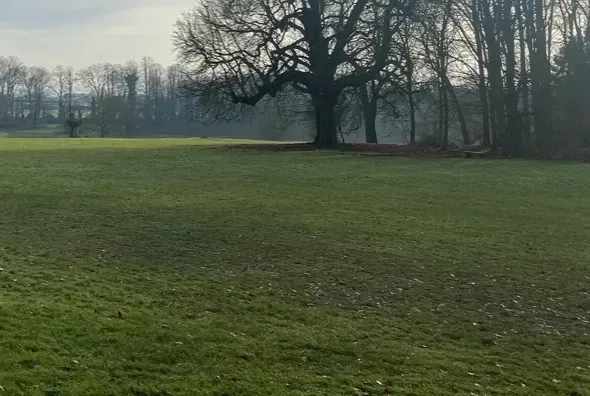
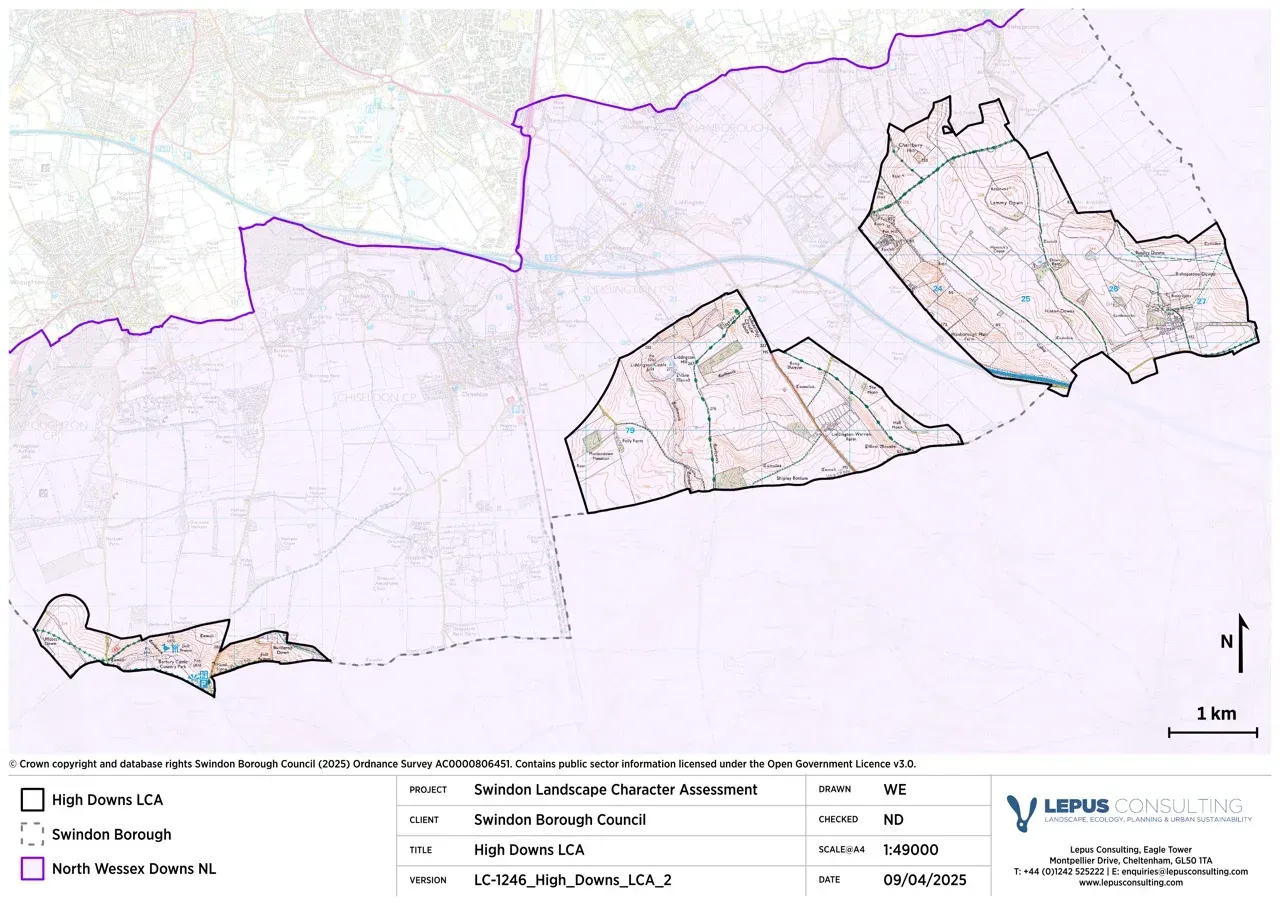
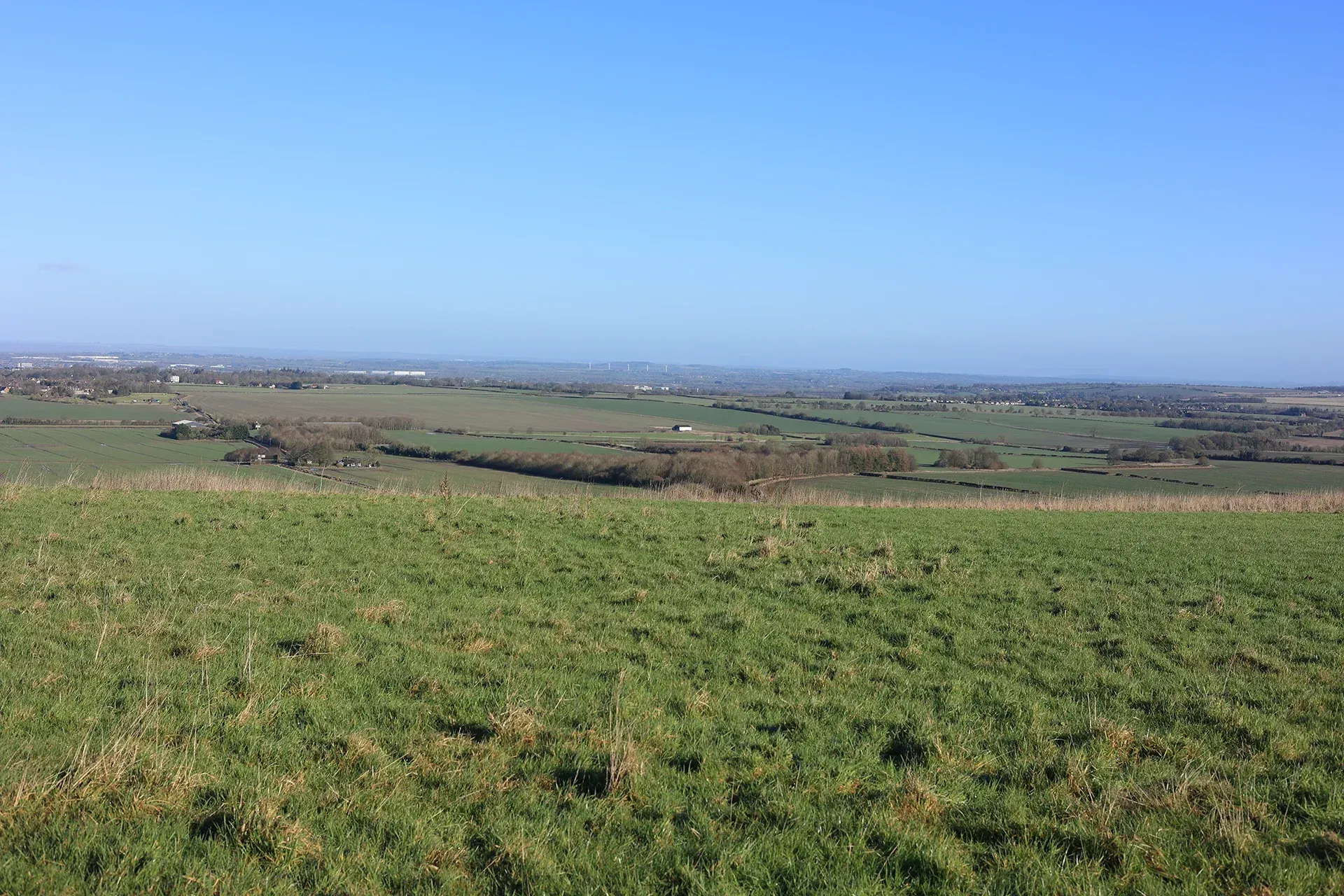
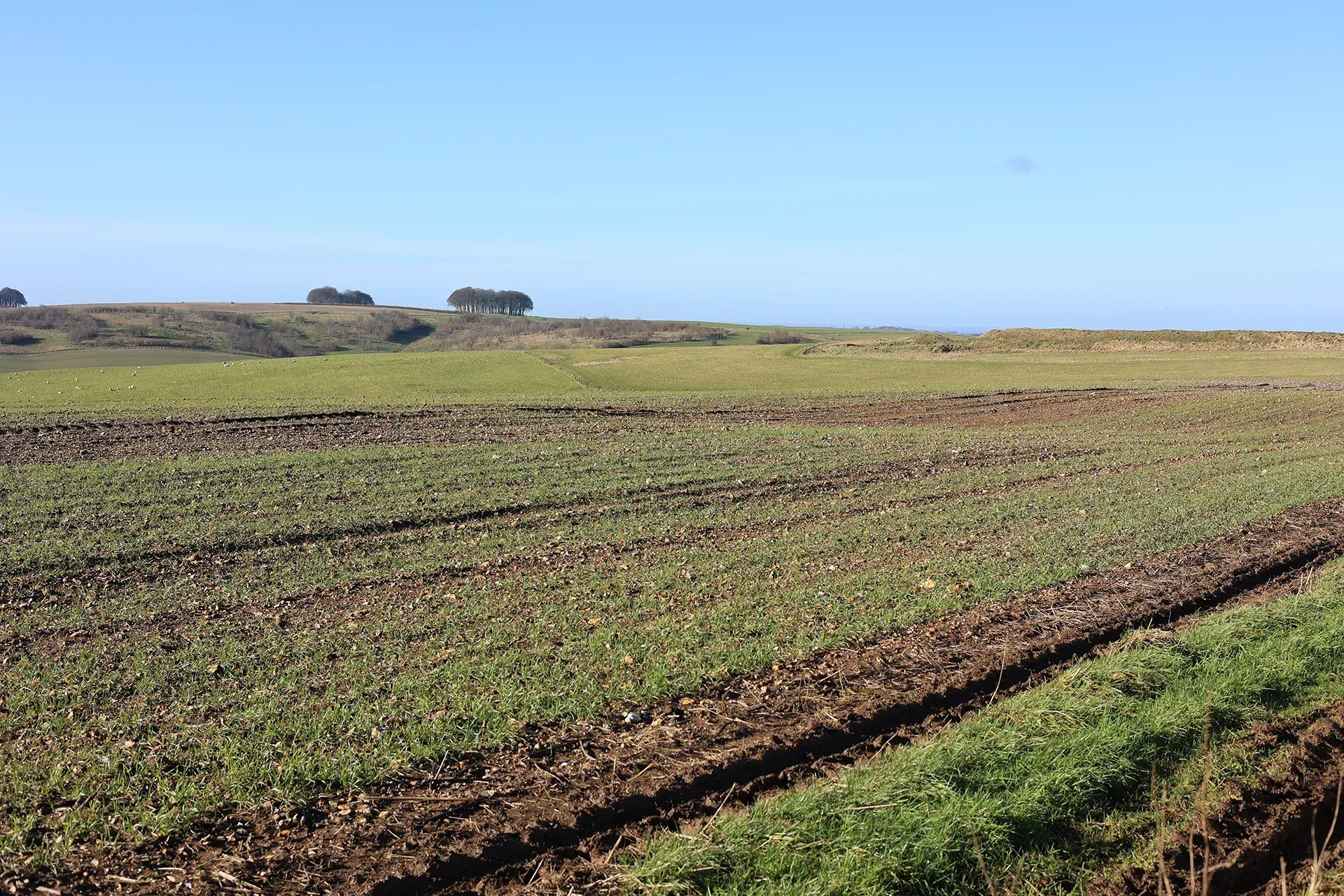
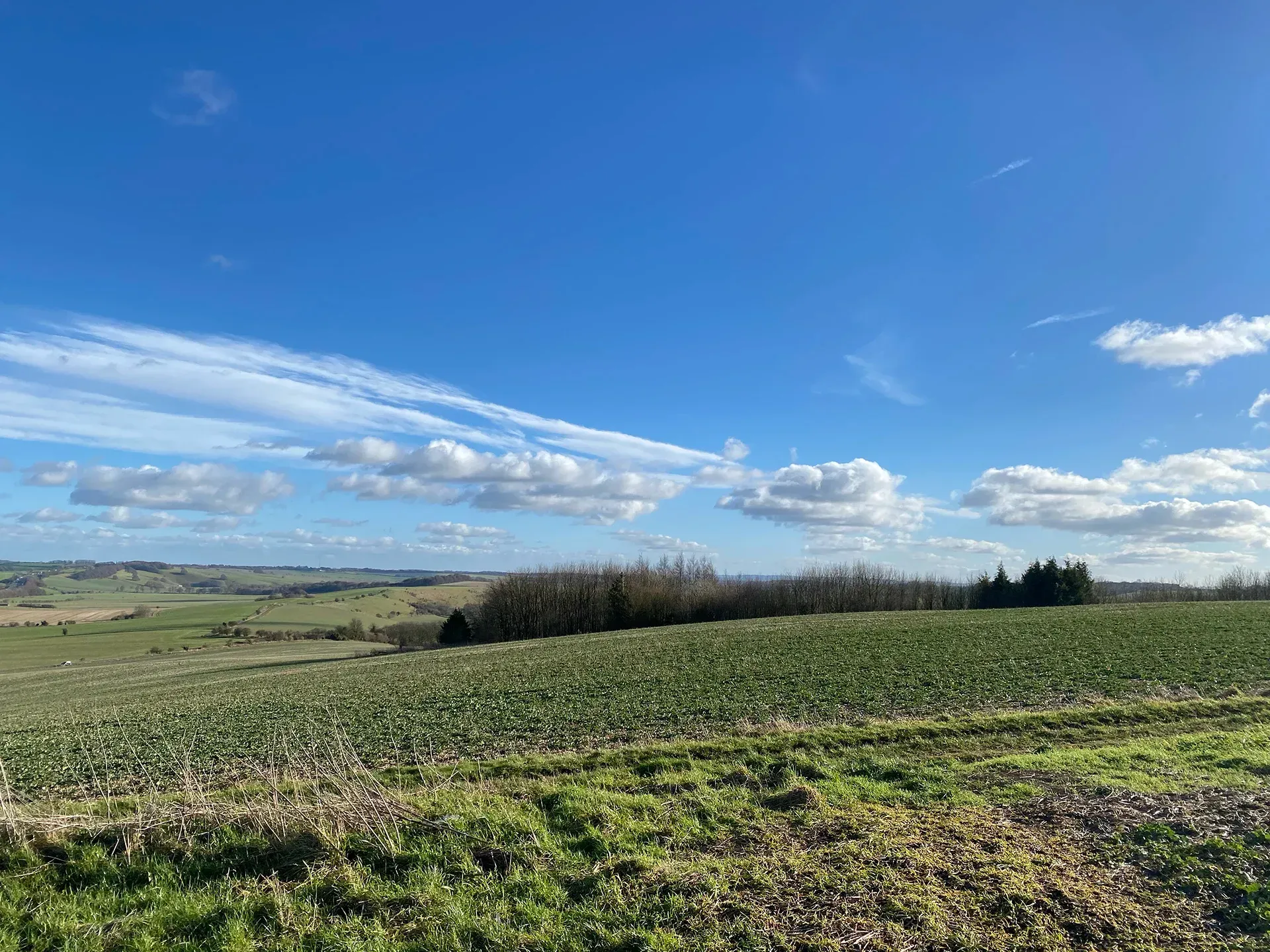
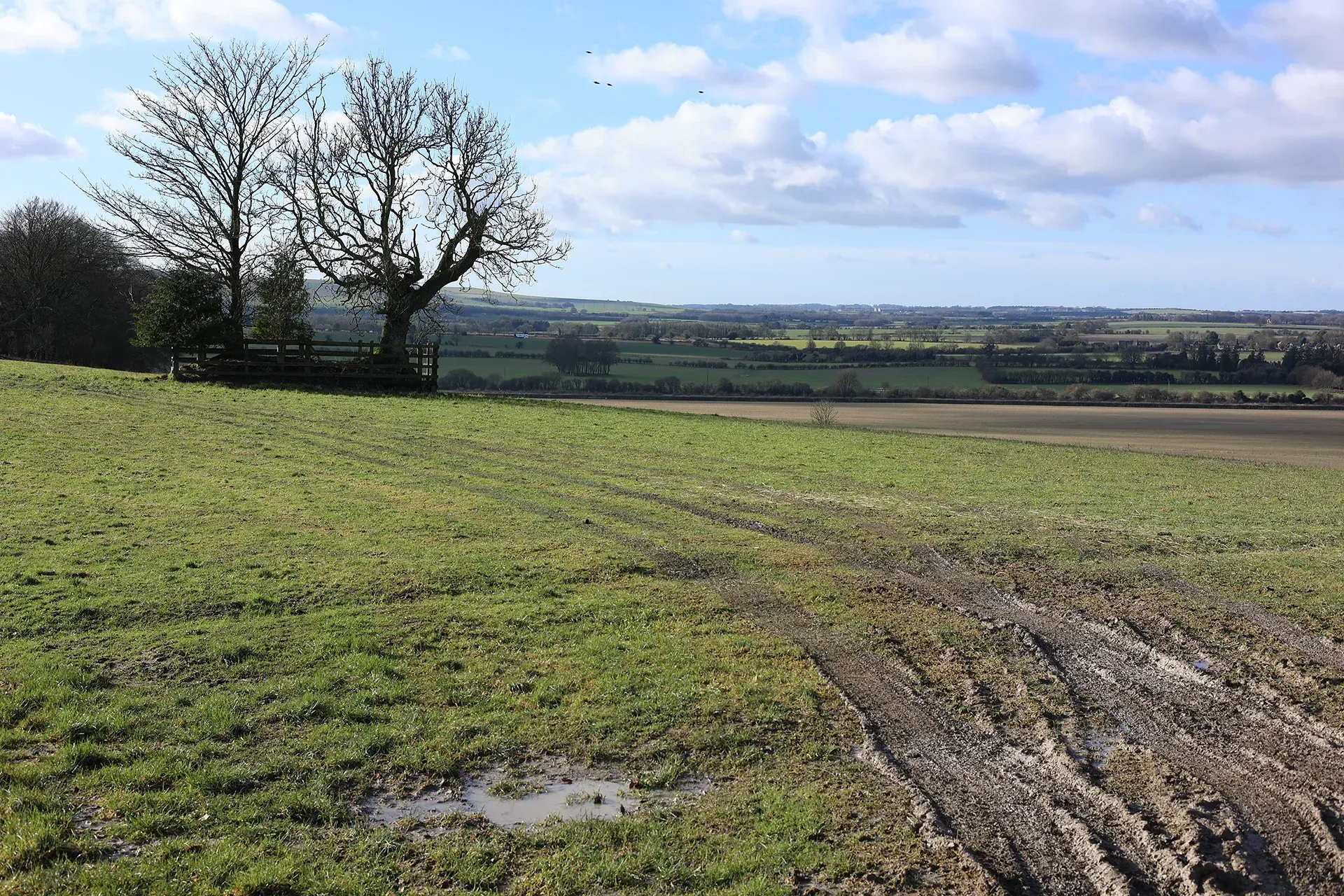
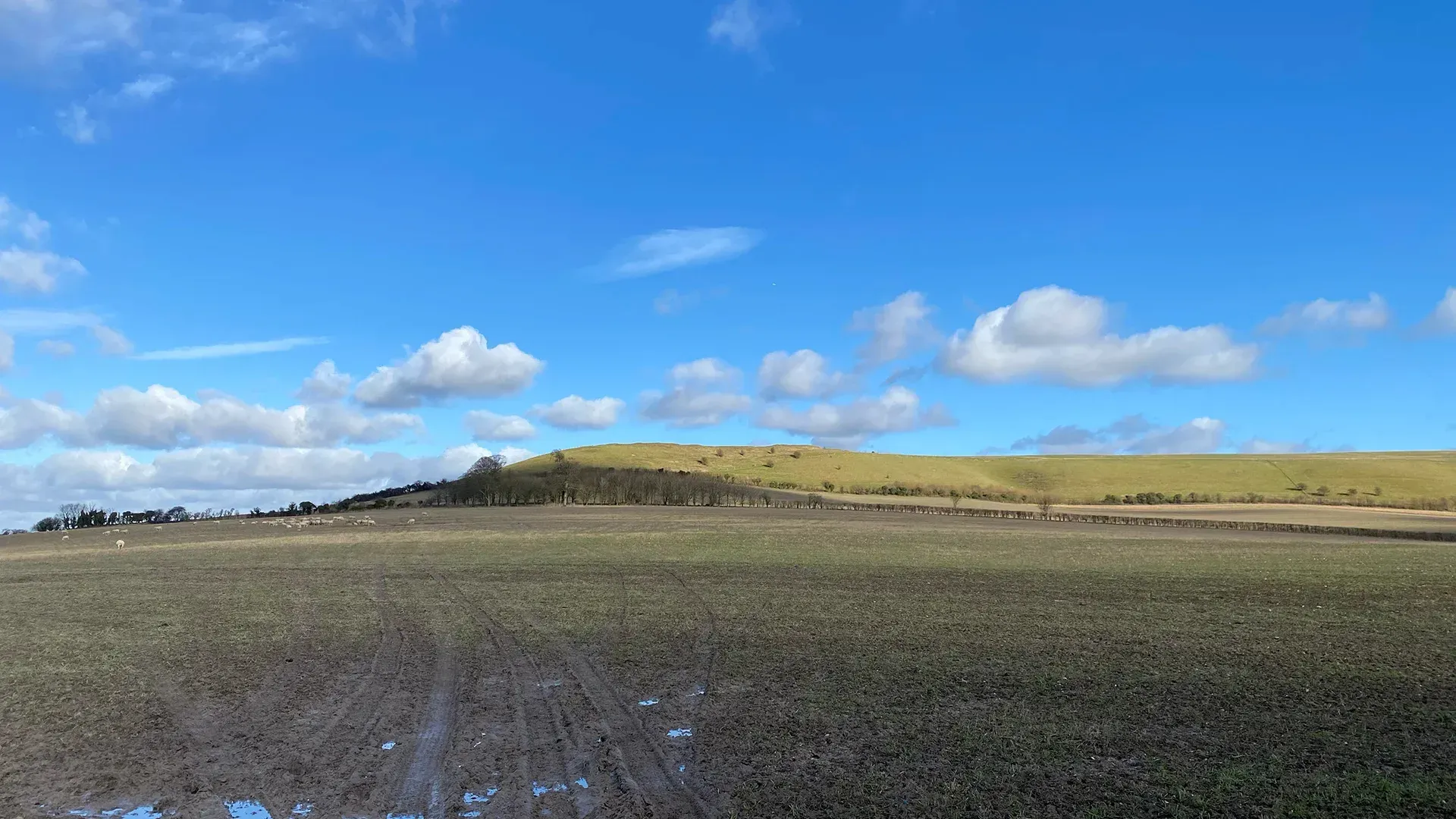
The High Downs LCA comprises an elevated plateau of rolling chalk downland, characterised by an open and exposed landscape with a perception of remoteness from urbanised settlements. The height, minimal tree planting and large field patterns give this landscape far reaching views over its surroundings. The distinctive landform, simple arable land cover, absence of settlement and large skies create a landscape with a sense of remoteness and exposure. Human settlements within this area are limited to small, isolated farms and dwellings, scattered in a dispersed pattern. This LCA coincides with the North Wessex Downs National Landscape.
Gallery
Key characteristics
Key characteristics of the High Downs LCA are presented in below.
| Natural factors | |
|---|---|
| Geology | Middle Chalk on the escarpment. Upper Chalk on the ridges and hilltops which sometimes has a clay with flints capping. |
| Landform | High, rolling landform with steep hillsides ranging from 170m to 277m AOD at Liddington Hill. North-west facing escarpment and dry river valleys running southwards. |
| Hydrology | The landscape is largely devoid of water due to the porosity of the chalk bedrock. |
| Soils | Predominantly shallow, light, free draining calcareous and nutrient poor black or brown soils. ALC is mostly grade 3 with areas of grade 2 and 4. |
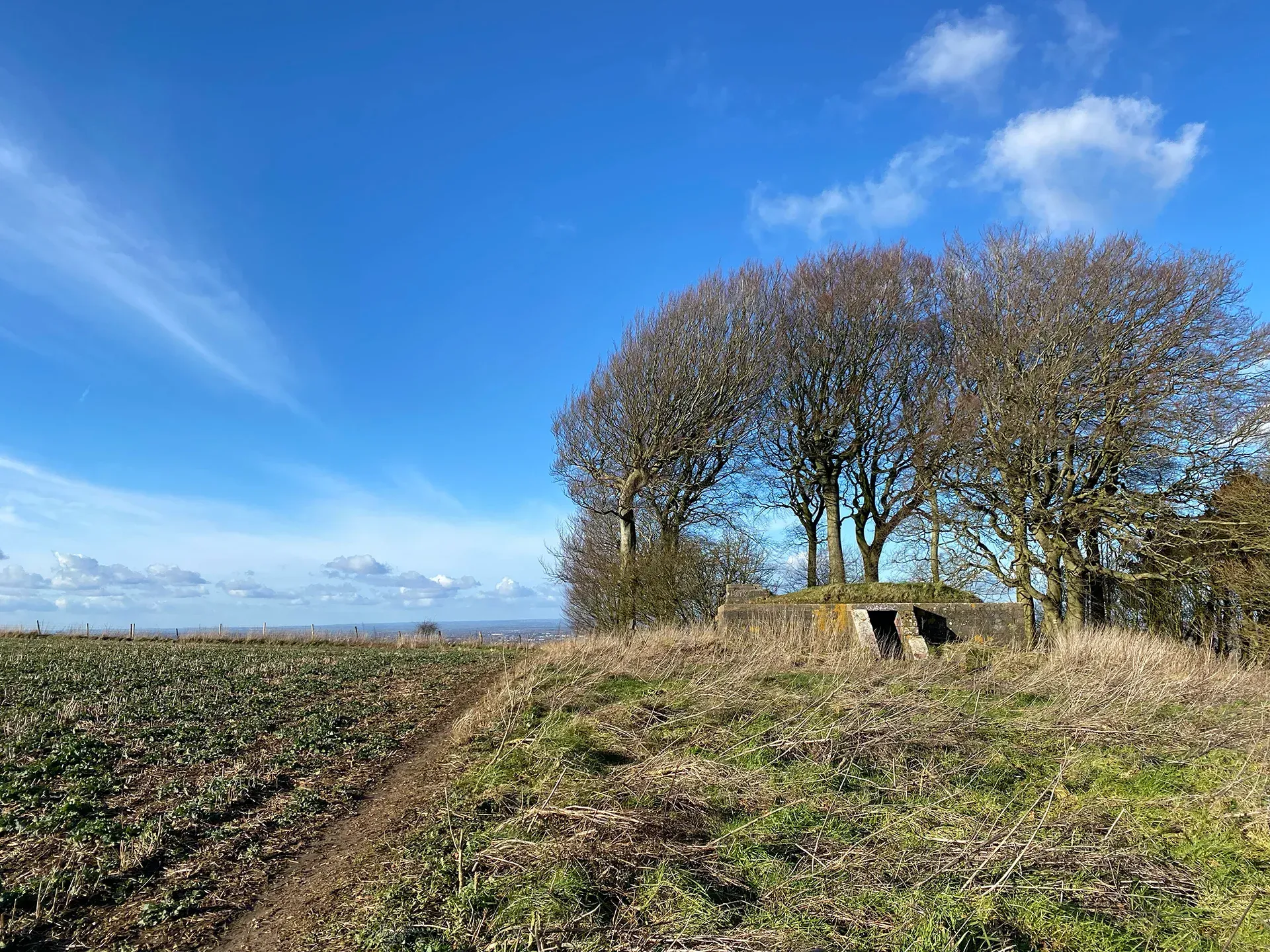
| Land cover, flora & fauna | Woodland is virtually absent apart from the occasional linear shelterbelt and distinctive Beech clumps crowning the summits. Limited number of hedgerows defining field boundaries. Isolated blocks of chalk grassland survive along the steep scarp slopes and dry valley sides. |
| Cultural & social factors | |
|---|---|
| Land use | Dominated by intensively managed arable farmland of large rectilinear fields defined by post and wire fencing with few hedgerows. |
| Settlement | There are no modern settlements in this LCA. The landscape is sparsely populated, generally restricted to scattered farms and equestrian establishments, which contribute to a strong sense of isolation. |
| Enclosure | Large, open rectilinear fields defined by post and wire fencing with occasional hedgerows. |
| Time depth | Extensive remains of early man’s occupation including Iron Age hillforts, the Ridgeway National Trail and burial mounds. |
| Cultural associations | |
|---|---|
| Art, literature, descriptive writings, music, myth/legend/folklore, people, events and associations | Liddington Castle was popular with writer Richard Jefferies, who is famous for depicting rural life in England: “Liddington Hill and its ‘castle’, a camp of a single but very deep fosse, was a chief haven to Jefferies”. Barbury Castle was photographed by Bill Brandt in 1948. Artist Eric Ravilious has depicted areas of the Wiltshire landscape which are strongly associated with, and visible from, the High Downs in Swindon. |
| Perceptual & aesthetic factors | |
|---|---|
| Memories and associations | Obtained via stakeholder engagement. |
| Perceptions | Elevated, exposed landscape with long distance views. A strong sense of remoteness and isolation. Tranquility levels are high. The presence of scheduled monuments including hillforts at Liddington Castle and Barbury Castle contribute to a rich sense of time depth. |
| Sounds | Sound levels are generally very low across the landscape. The M4 motorway just crosses through the area near Peak Downs. |
| Sight | An expansive and simple rural landscape, with strong sweeping skylines with a strong sense of exposure and remoteness. |
Designations and policy
Key designations within the High Downs LCA:


- Swindon Borough Council. Parks and open spaces in Swindon – Barbury Castle. Available at: https://www.swindon.gov.uk/directory_record/8463/barbury_castle [Accessed: 03/01/25]
Forces for change
Threats, pressures and current changes to High Downs LCA are outlined below:


Landscape guidelines
Landscape guidelines to plan, manage and protect the distinctiveness of the High Downs LCA include:


Landscape Character Areas (LCAs)
Eight Landscape Character Areas (LCAs) have been identified within the Swindon Borough. This website provides a detailed overview of each LCA including a description, key characteristics, designations and policy, forces for change and landscape guidelines to plan, manage and protect distinctiveness.